
Story & Lore
Explore STRANGER THAN HEAVEN story & lore — a 50-year saga across five eras, the Tojo Clan origin, Project Century and its place in the Like a Dragon universe.
Introduction
STRANGER THAN HEAVEN tells the story of Makoto Daito, a Japanese-American orphan who stows away from San Francisco to Japan in 1915 and spends fifty years fighting to find a home. The saga unfolds across five eras and five cities — 1915 Kokura, 1929 Kure, 1943 Minami Osaka, 1951 Atami and 1965 Shinjuku — in an alternative Japan where "persuasive lies take priority over historical accuracy." The game is a distant prequel to the Like a Dragon franchise, depicting the rise of the yakuza world and the origins of the Tojo Clan. Thematically, it is a story about displacement, survival, loyalty and the many forms home can take — from a city street to a stage full of strangers. This category breaks down the plot, the lore, the historical backdrop, and the connections to the larger Like a Dragon universe.
The Five Eras at a Glance
| Era | Year | Setting |
|---|---|---|
| Era 1 | 1915 | Kokura, Fukuoka — a smoke-scorched foundry town |
| Era 2 | 1929 | Kure, Hiroshima — naval port under yakuza control |
| Era 3 | 1943 | Minami, Osaka — wartime entertainment district |
| Era 4 | 1951 | Atami, Shizuoka — postwar seaside resort |
| Era 5 | 1965 | Shinjuku, Tokyo — Japan's iconic pleasure district |
Story Pillars
The 50-Year Saga
One man, five eras, fifty years
The Tojo Clan Origin
The rise of the yakuza world
Alternative History
Persuasive lies over historical accuracy
Dual Identity
Fighter and showman
The 1965 Climax
Shinjuku — the saga's finale
Core Mechanics
The story of STRANGER THAN HEAVEN is structured as a fifty-year saga told in five acts, one for each era and city. Each era represents a major period of modern Japanese history — from the Taisho era foundry town of Kokura through the militarized 1930s, wartime Osaka, postwar recovery and finally the explosive growth of 1960s Tokyo. The game was first revealed under the working title Project Century at The Game Awards 2024, and was officially named STRANGER THAN HEAVEN in June 2025. It is confirmed as a distant prequel to the Like a Dragon series, showing the origins of the yakuza world and the Tojo Clan long before the modern games. Thematically, the saga explores what it means to be a stranger — an outsider in a foreign country, an immigrant, an orphan — and the desperate, sometimes violent search for a place to belong. The dual combat and showman systems are not just gameplay: they mirror Makoto's two identities as a street fighter and a performer.
Advantages
The story structure is one of STRANGER THAN HEAVEN's greatest strengths. The five-era, five-city format gives the narrative a sweeping historical canvas that few games attempt — you literally watch Japan change over fifty years, and your character ages with it. The distant-prequel connection to Like a Dragon adds a layer of lore satisfaction for long-time fans, who will recognize clan names, themes and the series' signature blend of drama and humor. The dual-protagonist identity — brutal fighter and showman — creates a rich thematic tension that runs through the whole saga. The star-studded cast, the bilingual, cross-Pacific casting and the multilingual soundtrack all reinforce the immigrant story at the heart of the game. For players who value narrative, this is an action-adventure with genuine literary ambition.
Challenges
The story's scale comes with some honest caveats. Because the game has not launched, the exact plot beats, character arcs and ending are not confirmed — everything here is reconstructed from official trailers, the website and press coverage, and marked as prediction where relevant. A fifty-year saga told across five eras requires significant pacing discipline; there is a risk that some eras feel compressed or that beloved characters disappear when the story moves on. The alternative-history setting ("persuasive lies take priority over historical accuracy") means history buffs should not expect a documentary. Finally, the prequel connection to Like a Dragon may set expectations for cameos or references that the final game does not deliver — treat it as a distant prequel, not a crossover.
Frequently Asked Questions
What is STRANGER THAN HEAVEN about?+
Is it really a Like a Dragon prequel?+
What was Project Century?+
Are there multiple endings?+
Quick Tips
Read the era guide before each city. The historical context of 1915-1965 Japan enriches every scene — the foundry town of Kokura, the naval port of Kure and postwar Shinjuku all carry distinct atmospheres that inform the story. Knowing the era helps you understand the stakes of each chapter. History here is a dramatic backdrop rather than a textbook, so enjoy the mood it creates in each chapter.
Pay attention to the opening of each era: the game telegraphs the new city's identity through its streets, music and NPCs before the plot kicks in. Exploration first, story second gives you the full feel of each period and helps you spot the historical details the developers layered into the world.
If you are a Like a Dragon fan, keep a notepad for clan and character names — the prequel lore rewards careful attention, and the connections are easy to miss on a first playthrough. Spotting these references early makes the rest of the saga more meaningful. Noting these references also helps you appreciate how the franchise evolved from this distant era into the modern games.
Featured
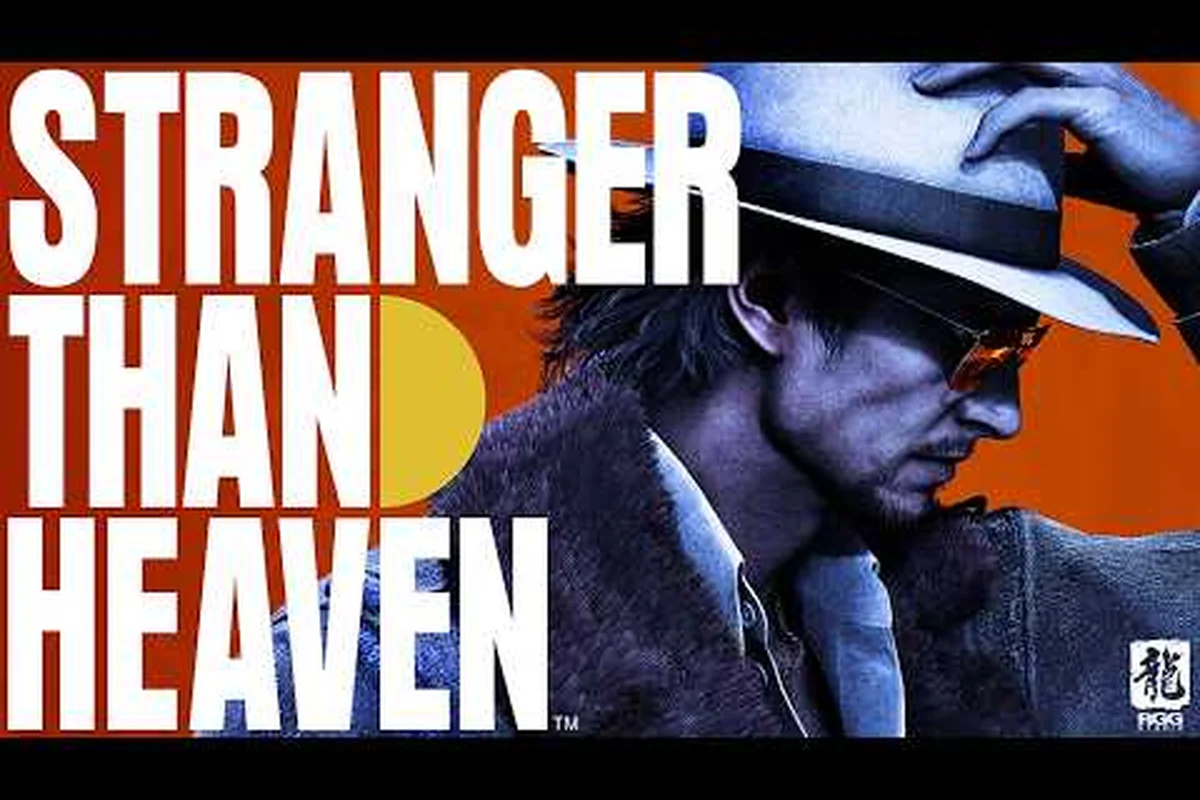
STRANGER THAN HEAVEN History Explained: 1915 to 1965
Place the STRANGER THAN HEAVEN history explained against real Japan, from Kokura 1915 through Shinjuku 1965, and the yakuza prequel's wartime culture.
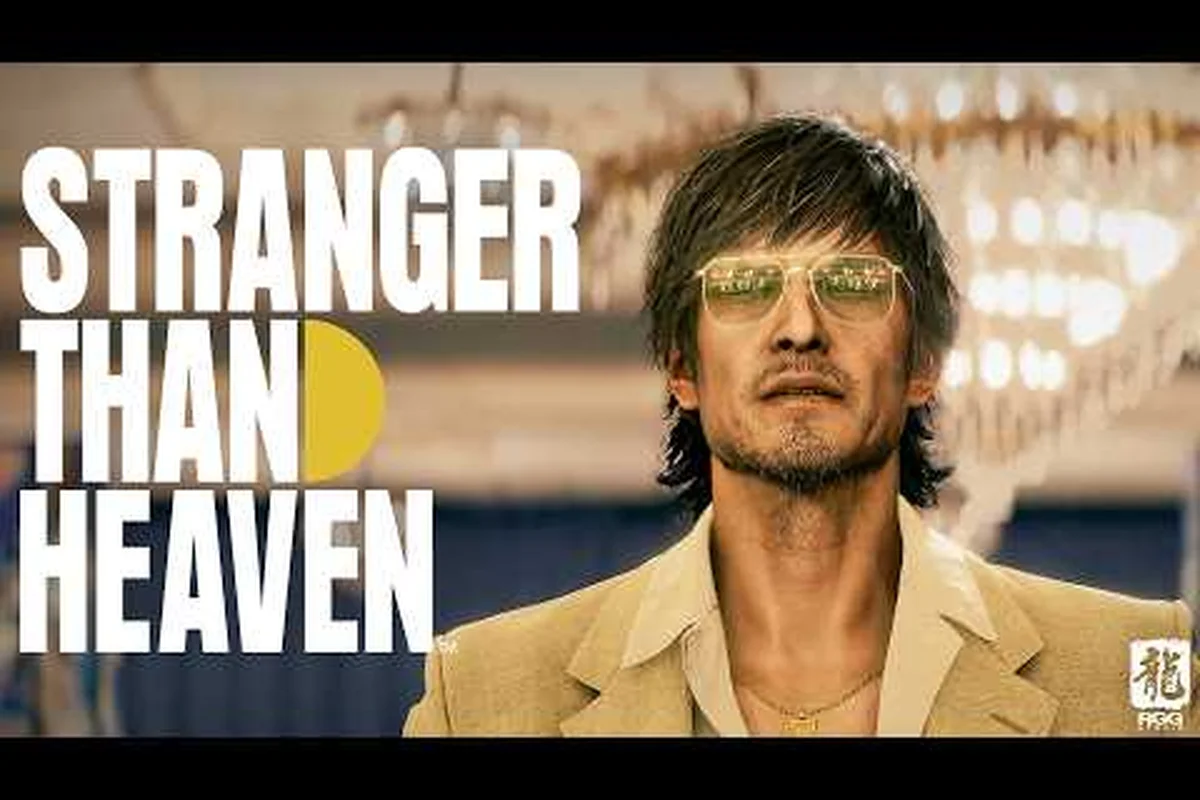
STRANGER THAN HEAVEN Ending Explained: Shinjuku Finale
Anticipate the STRANGER THAN HEAVEN ending explained through Daito's 1965 Shinjuku showdown, the true path, Tojo Clan beats and the saga's resolution.
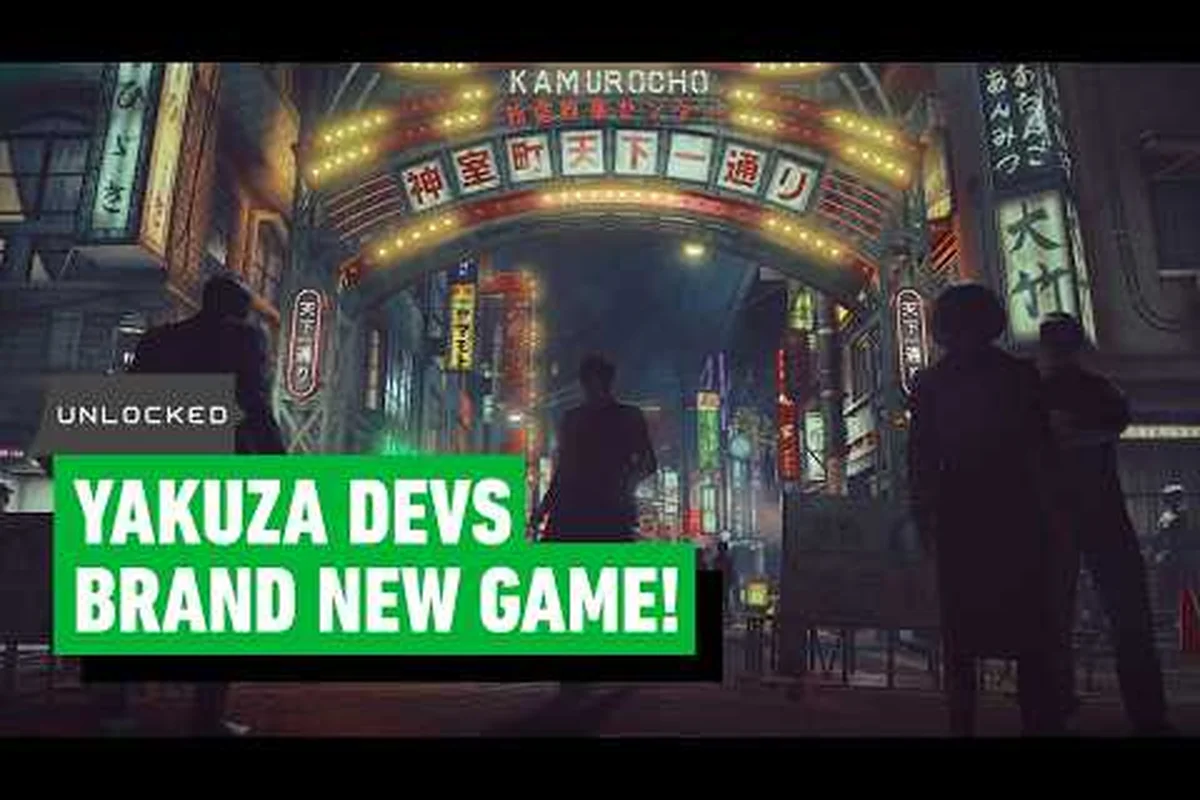
STRANGER THAN HEAVEN Story Explained: Face Down Fate
Trace the STRANGER THAN HEAVEN story explained through Daito's five-era Face Down Fate journey, unpacking the alternative-Japan saga and yakuza roots.
All Articles
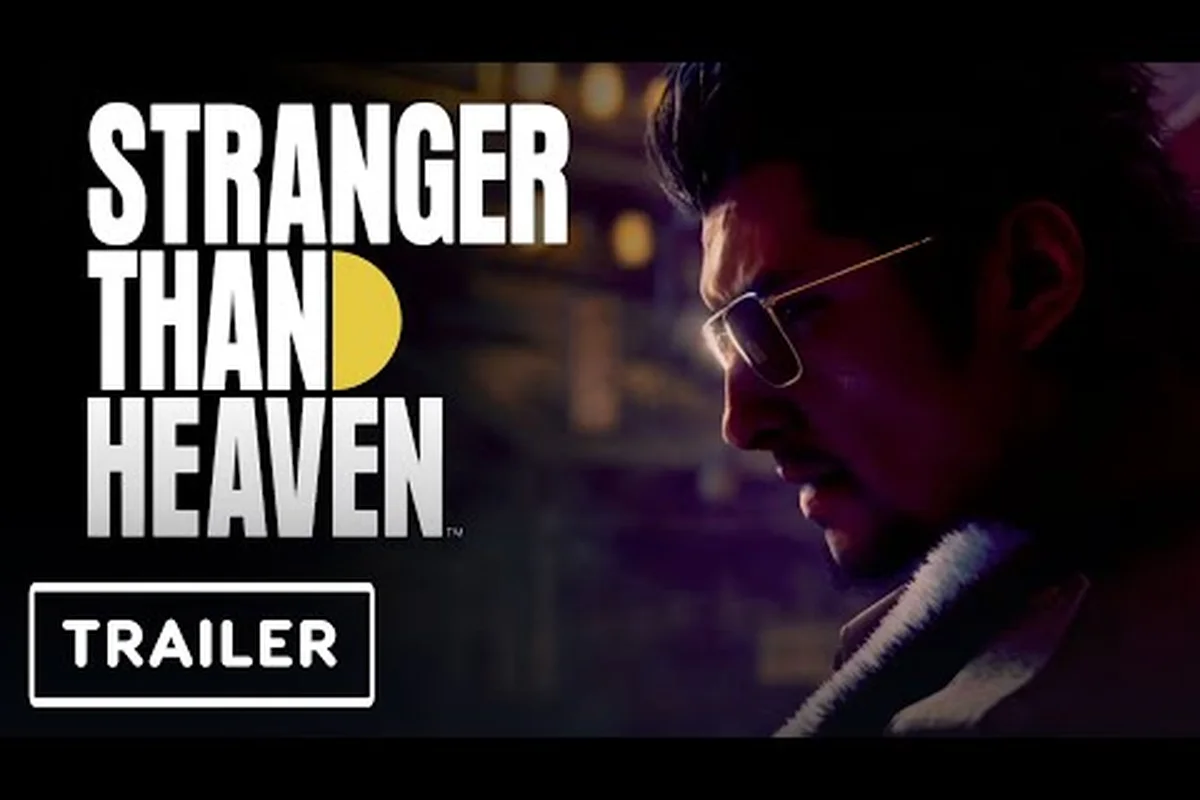
STRANGER THAN HEAVEN Story Trailer Explained: Every Beat Decoded
Decode the STRANGER THAN HEAVEN story trailer explained beat by beat, from Daito's midnight harbor escape to Orpheus's mentor role and the five-era preview.
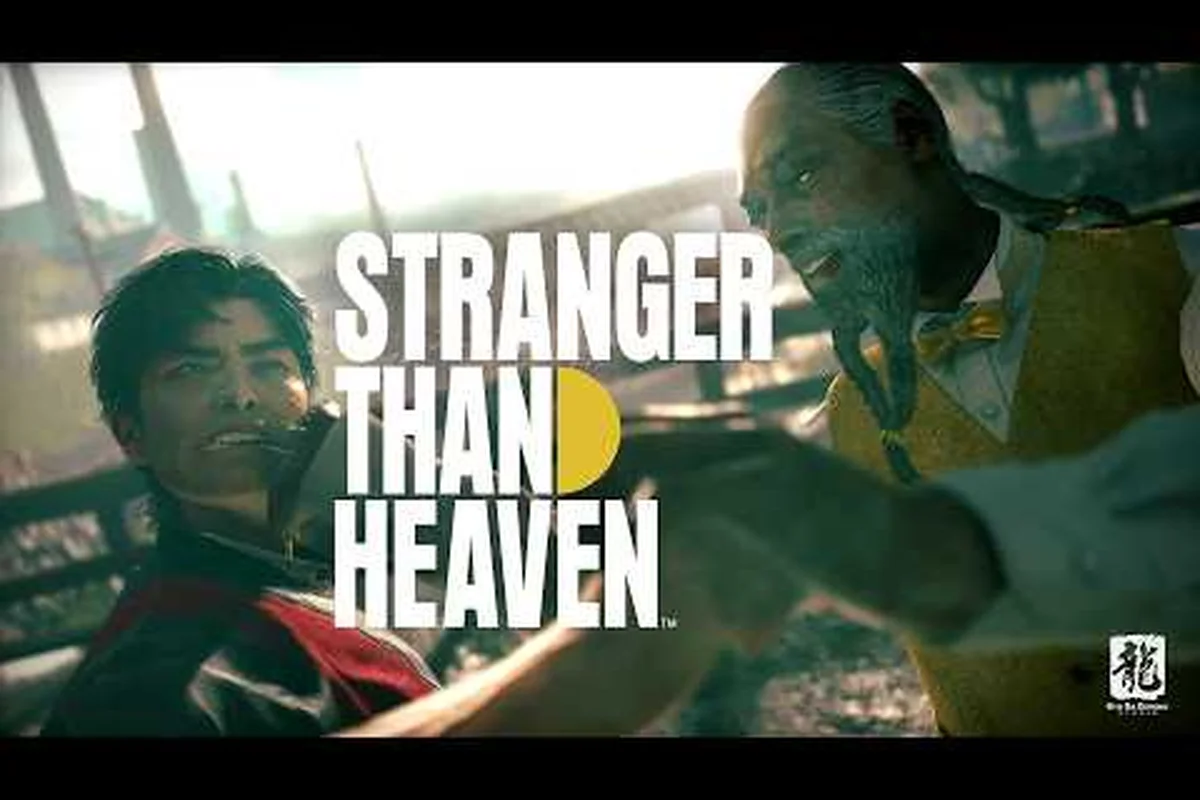
STRANGER THAN HEAVEN Storyline: Daito's Five-Era Arc
Trace the STRANGER THAN HEAVEN storyline from Daito's 1915 stowaway arrival through five eras of conflict, music and the founding of the Tojo Clan by 1965.
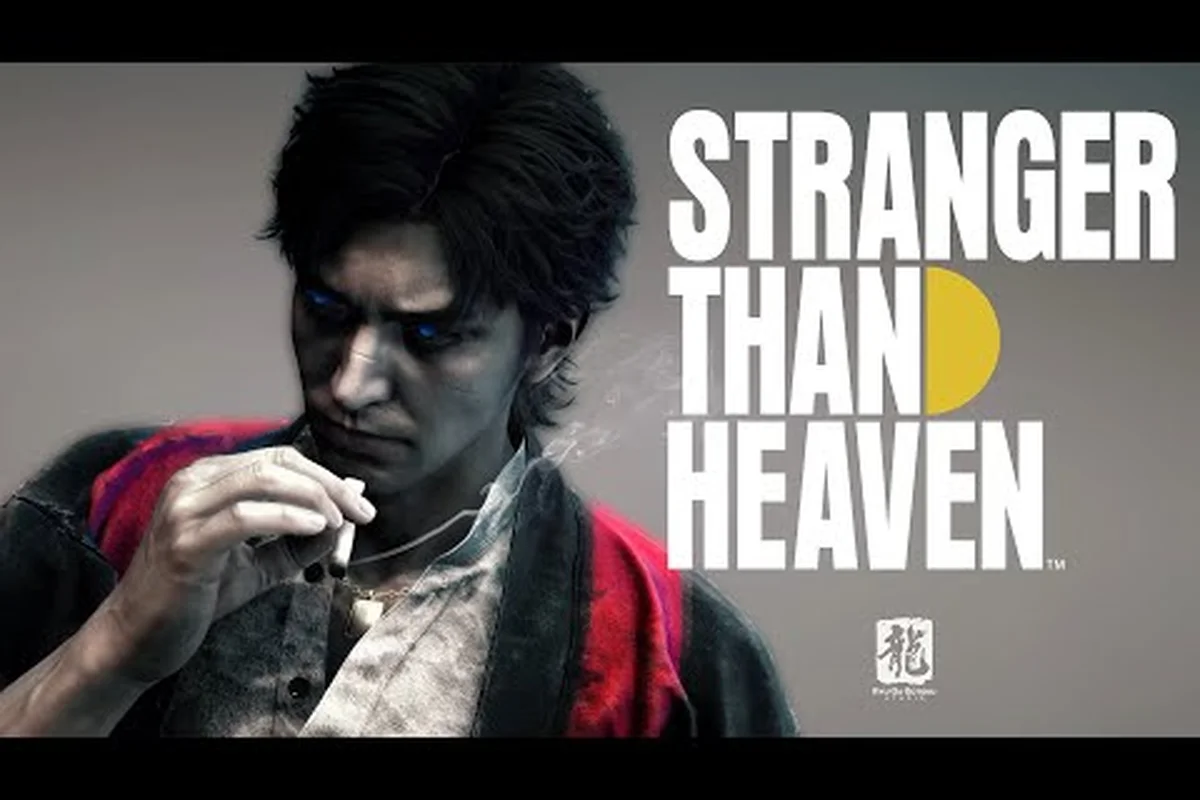
STRANGER THAN HEAVEN Makoto Daito Backstory: Stowaway to Founder
Trace the STRANGER THAN HEAVEN Makoto Daito backstory from Japanese-American orphan in 1915 San Francisco to the man who builds Japan's most infamous yakuza clan.
STRANGER THAN HEAVEN Themes Explained: Identity & Survival
Unpack the STRANGER THAN HEAVEN themes explained — immigrant identity, brutal survival and the music-driven showman rise across the five-era saga.