
Cities & Eras
Discover the five STRANGER THAN HEAVEN cities — 1915 Kokura, 1929 Kure, 1943 Minami Osaka, 1951 Atami and 1965 Shinjuku across five eras of Japan.
Introduction
STRANGER THAN HEAVEN is set across five real-life-inspired Japanese cities, one for each era of the fifty-year saga. Each city is a fully modeled, explorable district that captures the look, sound and mood of its historical period: the smoke-scorched foundry town of Kokura in 1915, the naval port of Kure in 1929, the wartime entertainment district of Minami Osaka in 1943, the postwar seaside resort of Atami in 1951, and the iconic pleasure district of Shinjuku in 1965. Every city has its own streets, NPCs, side content, collectible sounds for the Showman system, and story events. This category is your travel guide — where to go, what to do, how each city reflects its era, and how the world changes across fifty years of Japanese history.
The Five Cities at a Glance
| City | Era | Region | Character |
|---|---|---|---|
| Kokura | 1915 | Fukuoka | Smoke-scorched foundry town |
| Kure | 1929 | Hiroshima | Naval port under yakuza control |
| Minami | 1943 | Osaka | Wartime entertainment district |
| Atami | 1951 | Shizuoka | Postwar seaside resort |
| Shinjuku | 1965 | Tokyo | Japan's iconic pleasure district |
City Profiles
Kokura
1915 — foundry town in Fukuoka
Kure
1929 — naval port in Hiroshima
Minami
1943 — entertainment district in Osaka
Atami
1951 — postwar seaside resort in Shizuoka
Shinjuku
1965 — iconic pleasure district in Tokyo
Core Mechanics
Each city in STRANGER THAN HEAVEN functions as a full playable hub with its own rhythm. You explore the streets, talk to NPCs, pick up side quests, collect ambient sounds for the Showman system, and fight in the city's distinctive districts. The cities are not just backdrops — each one reflects its era's economy, culture and danger level, from the industrial foundries of Kokura to the neon-soaked entertainment quarter of Shinjuku. As the saga progresses, you return to a Japan that has visibly changed: the same national story, but each city carries its own local flavor. SEGA has emphasized that the recreations favor "persuasive lies over historical accuracy," so expect evocative, cinematic versions of these places rather than museum-perfect reproductions. Knowing each city's layout, vendors, hidden alleys and sound-collection spots is key to efficient play in both the combat and showbiz loops.
Advantages
The five-city structure is one of STRANGER THAN HEAVEN's most ambitious design choices. Each city is a distinct, era-authentic hub, so exploration never grows stale — you are constantly learning new streets, new NPCs and new systems across fifty years. The historical variety is a huge draw: from Taisho-era foundries to Showa-era nightlife, the game serves as a cinematic tour of modern Japanese history. Because each city has its own ambient sounds for the Showman system, exploration feeds directly into gameplay — there is always a reason to poke into every alley. The cities also anchor the story, so the narrative and the world-building reinforce each other in a way that makes the saga feel epic and grounded at the same time.
Challenges
The scale of five full cities brings honest trade-offs. Each city may feel smaller than the single-city hubs in previous RGG games, since the development effort is spread across five distinct locations. Because the game has not launched, the exact size, district breakdown and side content of each city are estimates based on trailers and the official website. The historical framing also means some players may find the era transitions abrupt — just as you grow attached to one city, the story moves forward decades. Finally, the alternative-history approach means real places are reimagined, so locals may notice creative liberties taken with their hometowns' geography and atmosphere.
Frequently Asked Questions
Which city is the largest?+
Can I return to earlier cities?+
Do cities have unique content?+
Are the cities based on real places?+
Quick Tips
Collect era-exclusive ambient sounds before moving the story forward. The Showman system needs those recordings, and sounds tied to a specific era vanish when the saga jumps to the next decade, so prioritize exploration before progressing the main plot. A full sound library makes composing original tracks much easier later.
Check every district's side content early. Each city hides quests, vendors and secrets that are easy to miss if you rush the main story — and era transitions may lock them out permanently, costing you collectibles and rewards. Use the city guides to mark off what you have cleared before advancing the plot.
Learn each city's layout before big fights. Knowing the alleyways, escape routes and choke points gives you a real edge in crowd battles and lets you navigate to shows, shops and sound sources faster and safer. A quick reconnaissance run of each district pays off immediately. Building this familiarity before an ambush can be the difference between escaping cleanly and getting cornered.
Featured
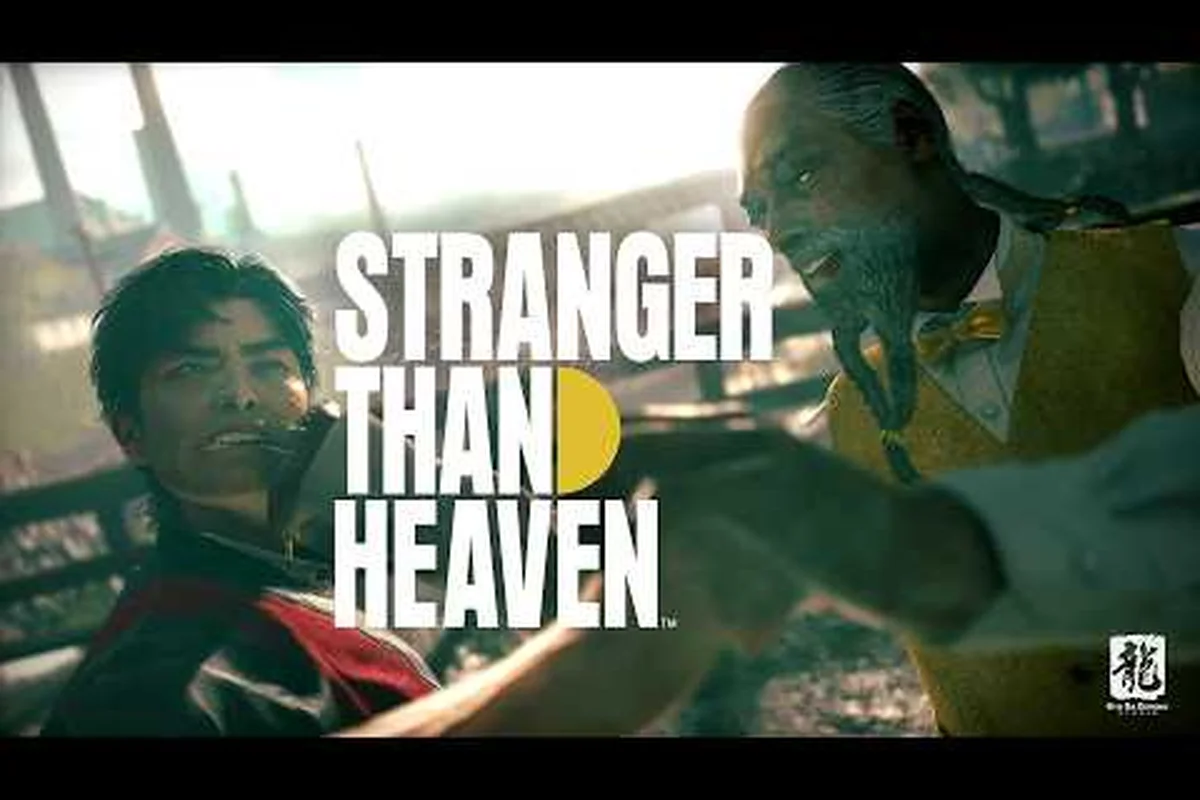
STRANGER THAN HEAVEN Era Order: 1915, 1929, 1943, 1951 & 1965
Map the STRANGER THAN HEAVEN era order from 1915 Kokura through 1929 Kure, 1943 Minami, 1951 Atami to 1965 Shinjuku, and how each period reshapes the story.
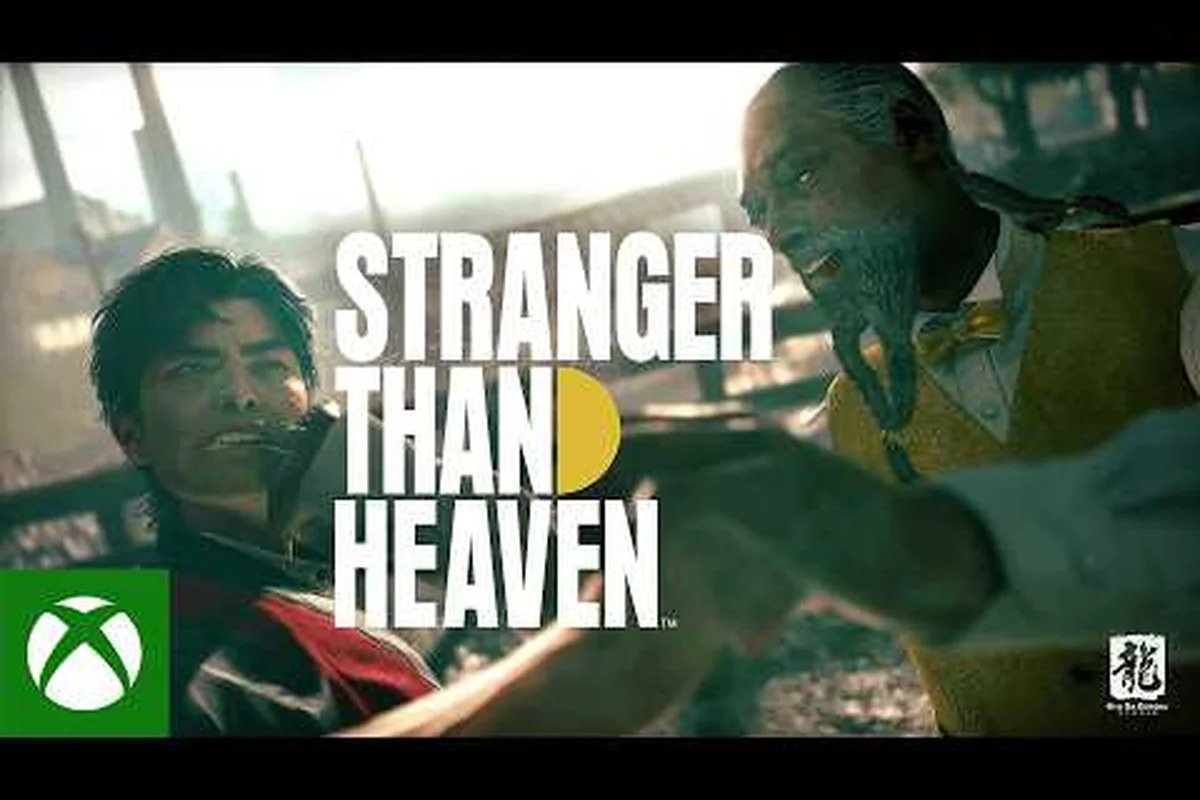
STRANGER THAN HEAVEN Five Cities: 1915 to 1965 Guide
Map the STRANGER THAN HEAVEN five cities — 1915 Kokura, 1929 Kure, 1943 Minami, 1951 Atami and 1965 Shinjuku — with their saga roles.
STRANGER THAN HEAVEN Atami: Shizuoka Resort District
Visit STRANGER THAN HEAVEN Atami in Shizuoka Prefecture, the 1951 resort district where postwar leisure, shows and subplots drive the fourth era of the saga.
All Articles
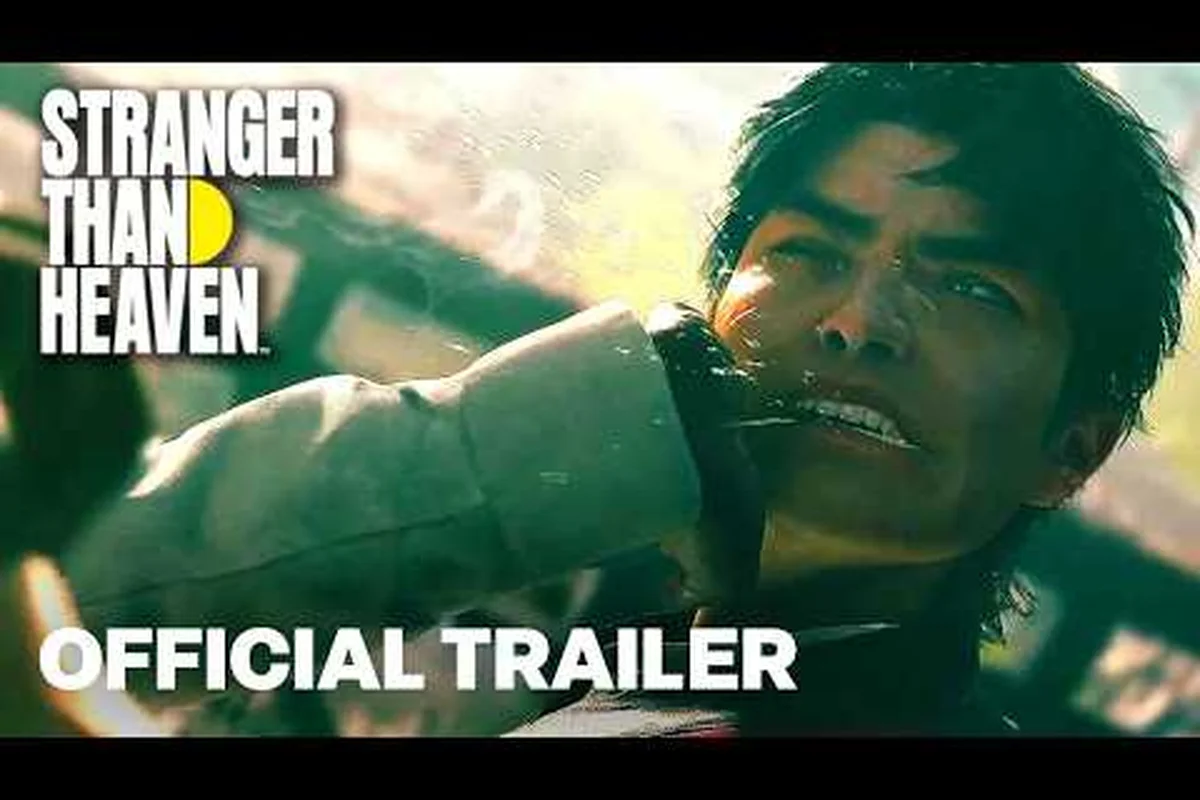
STRANGER THAN HEAVEN City Secrets: Dens & Rewards
Uncover STRANGER THAN HEAVEN city secrets across Kokura, Kure, Minami, Atami and Shinjuku, from gambling dens to rare sound pickups.
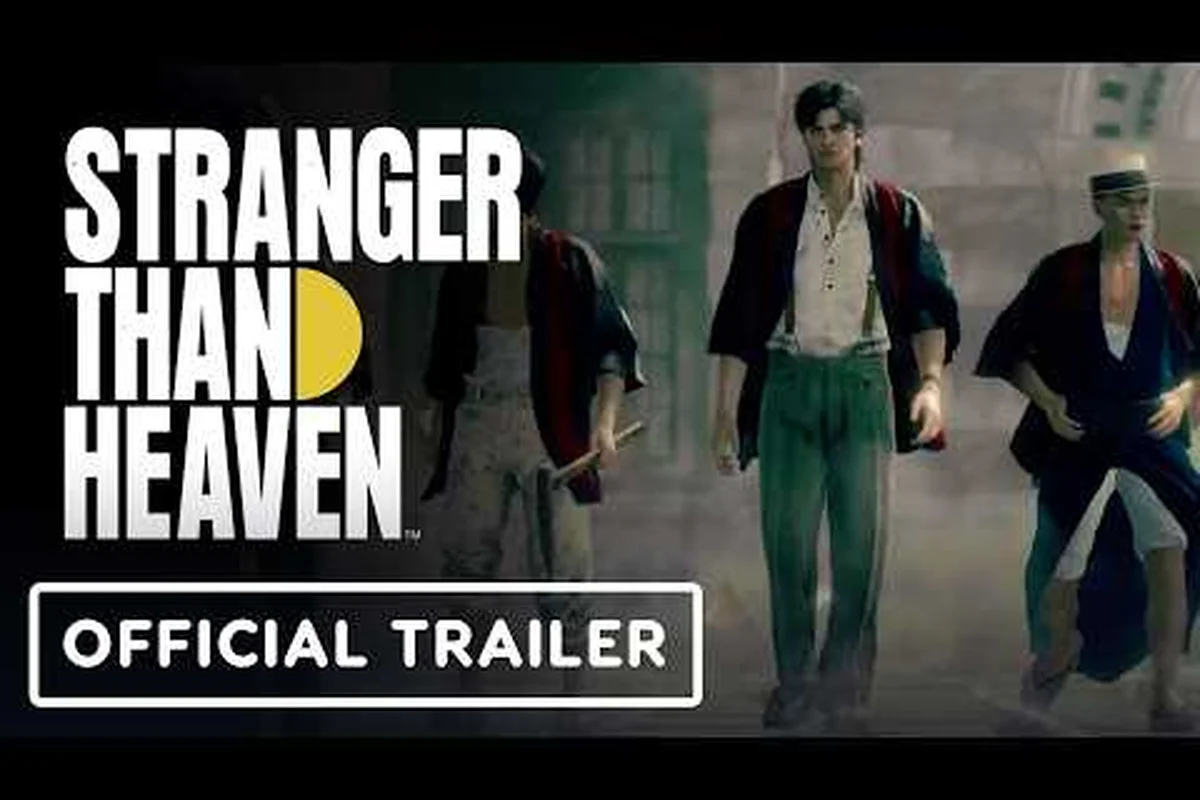
STRANGER THAN HEAVEN Naval Port Kure: 1929 Era Guide
Step into STRANGER THAN HEAVEN naval port Kure in 1929 Hiroshima, where yakuza clans and imported foreign culture define Daito's second chapter.
STRANGER THAN HEAVEN 1951 Era: Showman Chapter Guide
Step into the STRANGER THAN HEAVEN 1951 era of Atami, Shizuoka, where recovering entertainment culture and seaside leisure shape the fourth chapter of the saga.
STRANGER THAN HEAVEN Atami 1951: Postwar Seaside Resort Era
Explore STRANGER THAN HEAVEN Atami 1951, the postwar Shizuoka resort where entertainment rebounds and Daito builds his showman empire.
STRANGER THAN HEAVEN Cities: Locales Across the Timeline
Tour every locale in this STRANGER THAN HEAVEN cities guide, from 1915 Kokura through Kure, Minami, Atami to 1965 Shinjuku, with district breakdowns.