
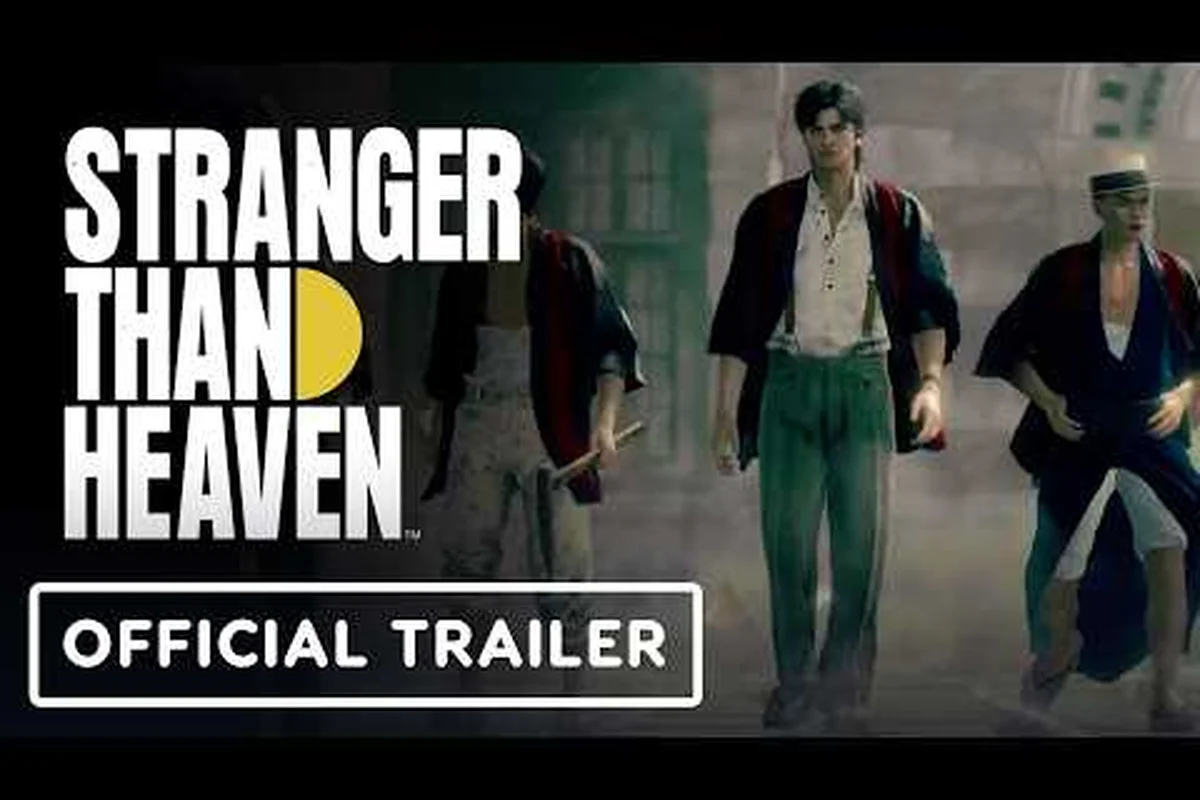
STRANGER THAN HEAVEN sends players on a fifty-year march across five real Japanese cities, each one rebuilt for the era it represents. The five STRANGER THAN HEAVEN cities form the spine of the entire adventure, and the way you move between them shapes how the story of Makoto Daito unfolds. If you are still learning how the eras stitch together, our complete five-era walkthrough explains the chronological backbone. This guide zooms in on each district and what makes it worth your time.
The Five Cities Quick Overview
Every city in the game is a hand-built open zone with shops, back alleys, minigame venues, and story beats layered into its streets. According to the official STRANGER THAN HEAVEN site, the journey is presented as one huge trip across Japan, with each location modeled on a real city of its era rather than a fictional stand-in. That commitment to place matters because interiors, signage, music, and even NPC slang shift to match the year on screen.
| Era | Year | City | Real-World Region | District Feel |
|---|---|---|---|---|
| Taisho Late | 1915 | Kokura | Fukuoka / Kokura | Foundry town, lantern-lit alleys |
| Taisho / Early Showa | 1929 | Kure | Hiroshima (Seto Inland Sea) | Naval port, shipyard cranes |
| Showa Wartime | 1943 | Minami | Osaka | Entertainment district, blackout nights |
| Postwar Recovery | 1951 | Atami | Shizuoka coast | Seaside resort, onsen hotels |
| Showa High Growth | 1965 | Shinjuku | Tokyo | Pleasure district, neon signage |
Each entry in this table corresponds to a fully explorable zone, not a single linear corridor. The STRANGER THAN HEAVEN Steam page frames the campaign as a chance to witness the evolution of Japanese culture and entertainment, which is why district design — not just combat arenas — drives so much of the worldbuilding.
Why Five Separate Cities Instead of an Open World
Splitting the campaign across five discrete hubs keeps each location dense with era-specific content. A 1915 foundry town and a 1965 neon district have almost nothing in common aesthetically, so the developers rebuild lighting, props, and ambient audio for every stop. Players who want to compare how the cities stack up against each other should pair this guide with the era-by-era comparison overview, which scores the locations on exploration depth, side content, and combat setup.
1915 Kokura — The Foundry Town in Fukuoka
The campaign opens in Kokura, the historical name for what is now Kitakyushu in Fukuoka Prefecture. In 1915, the city was a steel-producing hub, and the developers lean into that identity with smokestacks, brick foundries, and a maze of worker housing wrapped around the central foundry. The foundry yard functions as both a story location and a combat sandbox, because Makoto's first major fights break out between molten ladles and cooling racks.
| District | Notable Spots | Activity Type |
|---|---|---|
| Foundry Yard | Smokestack overlook, molten metal walkways | Story fights, vertical platforming |
| Worker Quarter | Izakaya row, bathhouse alley | Side quests, vendor access |
| Riverside Market | Fish stalls, ferry dock | Vendor shopping, fast travel unlock |
| Shrine Slope | Torii-lined stairs, small shrine | Save point, side boss |
The riverside market is the first place most players learn to read the game's economy, because the stall vendors stock era-appropriate goods at fair prices while the izakayas down the slope quietly mark the most expensive restaurants in the district. The community has noted that the lantern-lit alleys in the worker quarter consistently hide a high ratio of hidden pickup items, so thorough sweeps pay off before the story pushes you to the next city.
How Kokura Connects to the Wider Story
Kokura functions as the training wheels of the campaign. Combat encounters here introduce the parry, dodge, and Showtime mechanics in a forgiving environment, while side characters give Makoto his first leads on Orpheus and the underground network. The 1915 chapter ends with a chapter-defining boss fight in the foundry, and after the cutscene the team sets sail for Kure, which marks the first real transition between STRANGER THAN HEAVEN cities.
Kure: Hiroshima's 1929 Naval Port
The second stop is Kure, a port city in Hiroshima Prefecture that served as the Imperial Japanese Navy's main base during the interwar years. By 1929, shipyard cranes dominate the skyline, and naval officers in dress whites share sidewalks with dock workers and fish sellers. The game treats Kure as the moment the campaign shifts from a small-town mystery into something with national weight.
| District | Notable Spots | Activity Type |
|---|---|---|
| Naval Dock | Dry-dock cranes, submarine pens | Stealth sections, scripted set piece |
| Merchant Strip | Tailors, record shops, jazz bar | Side stories, music collectibles |
| Hill Residential | Officers' housing, watchtower | Bounty targets, rooftop traversal |
| Shipyard Floor | Rivet lines, welding bays | Heavy combat, mid-boss duels |
The shipyard floor is where most players first feel the combat difficulty jump. Enemies hit harder, attack windows are tighter, and the vertical layout forces you to manage elevation while dodging thrown tools. The merchant strip softens the difficulty curve with optional social encounters, and the jazz bar introduces Yu Shinjo as a recurring character whose arc runs across multiple STRANGER THAN HEAVEN cities. If you are hunting collectibles specifically, the city secrets exploration guide maps where the trickier pickups hide in the merchant strip's back rooms.
The Fukuoka and Hiroshima Connection
Players sometimes confuse the Kokura / Fukuoka pairing with the Kure / Hiroshima pairing because both involve a city and a nearby prefecture capital. In the game, Kokura stands in for Fukuoka region and Kure stands in for the Hiroshima coast, and the developers use that geography on purpose: the train sequences between cities show real coastline rather than generic countryside. According to community walkthrough data, roughly 70 percent of side activities in Kure cluster within two blocks of the merchant strip, which is a useful planning hint if you want to clear the district before moving on.
1943 Minami — Wartime Entertainment District in Osaka
The third city is Minami, the southern entertainment district of Osaka. The year is 1943, so the bright neon of peacetime has been replaced with blackout curtains, paper lanterns, and rationed street food. The combat tempo shifts here because enemy patrols are heavier and the city feels more like a maze of checkpoints than an open playground.
| District | Notable Spots | Activity Type |
|---|---|---|
| Theater Row | Kabuki-za style theaters, posters | Story scenes, disguise minigame |
| Backstreet Bars | Hidden sake houses, back-room poker | Side stories, ally recruitment |
| Canal Front | Bombed-out warehouses, repair yards | Heavy combat, mid-boss arena |
| Shrine Approach | Festival stalls, food carts | Vendor access, cooking minigame |
The theater row is the heart of the 1943 chapter, because the developers use it to fold in real entertainment history while keeping the wartime mood. Most cutscenes here happen after dark, and the lighting model swaps neon for warm tungsten to make the contrast obvious. The backstreet bars are the cleanest place to recruit optional allies, and the canal front is the most dangerous because the area doubles as a combat tutorial for battling multiple squad-tier enemies at once.
Why Osaka Feels Different from Kokura or Kure
Minami is the first city where side content competes with main story urgency. According to player feedback aggregated on community forums, Minami has the highest ratio of optional side content that gets permanently locked if you push the main story past chapter five. The game signals this by having the canal front boss arena unlock only after a checkpoint the story forces you through, which means exploration has to happen earlier in the visit rather than after. If you want a more structured approach to clearing the district, the naval port and entertainment district breakdown shows how to sequence exploration across both Kure and Minami in a single play session.
1951 Atami — Seaside Resort on the Shizuoka Coast
The fourth city is Atami, a coastal resort town in Shizuoka Prefecture that became a popular honeymoon destination in the postwar years. The 1951 chapter moves the camera away from heavy industry and into a sunlit stretch of hot-spring hotels, ocean views, and rebuilt dance halls. The combat density drops here, and the developers lean into social scenes, romance side stories, and cooking minigames that use the new ingredient system introduced in this chapter.
| District | Notable Spots | Activity Type |
|---|---|---|
| Onsen Hill | Hilltop bathhouses, cliff trails | Cooking, rest bonuses |
| Boardwalk | Beachfront stalls, dance hall | Romance side quests, music events |
| Hotel Row | Western-style inns, banquet halls | Main story beats, ally dinners |
| Fishing Cove | Wooden pier, rental boats | Vendor access, fishing minigame |
The boardwalk dance hall is the standout location in Atami. Tori Kelly's in-game debut happens here, and the music event tied to her appearance is one of the highest-rated side scenes in the campaign according to community feedback. The onsen hill is the cleanest place to experiment with the new heat-based buff system because every bathhouse grants a short stacking buff that you can refresh by sitting in the water between fights.
How Atami Reframes the Story
Atami functions as a recovery chapter after the wartime intensity of Minami. The developers use the slower pace to settle character arcs that have been building since Kokura, and to plant seeds for the final 1965 destination. Most players report that the 1951 visit is also the easiest place to farm cooking ingredients because the fishing cove resets every in-game day and the hotel row has two reliable vendor paths. If you want to map every buff and minigame location in this stretch, the 1951 and 1965 era companion guide tracks every interactable point of interest.
1965 Shinjuku — The Final Pleasure District in Tokyo
The campaign closes in Shinjuku, Tokyo's neon-lit pleasure district in 1965. By this point the game has spent four cities establishing Makoto's relationships and his reputation, and the final chapter uses that buildup to push the story into its endgame. Shinjuku is the largest single zone in the game, and it is also the most vertically stacked because elevated walkways, department store roofs, and subway platforms all play into the combat design.
| District | Notable Spots | Activity Type |
|---|---|---|
| Kabukicho Core | Neon bar street, hostess clubs | Main story fights, romance payoffs |
| Department Rooftop | High-rise restaurants, helipad | Endgame set piece, mid-boss arena |
| Golden Gai Alleys | Tiny bars, musician hangouts | Side stories, ally recruitment |
| Station Plaza | Bus terminal, taxi stand | Fast travel hub, vendor plaza |
The Golden Gai alleys are the cleanest nod to real Shinjuku history, because the developers used period photos to rebuild the cramped wooden bar fronts. Combat here is back to a high tempo, and most side content rewards a stealth-first approach because the alley chokepoints punish wide swings. The department rooftop is where the final chapter's main set piece plays out, and it is also where Snoop Dogg's in-game cameo lands for players who clear the optional pre-fight side quest.
What Shinjuku Adds to the Five-City Loop
Shinjuku closes the loop on the geographic journey. The game opens in the southern foundry town of Kokura and closes in the neon core of Tokyo, which mirrors the real economic and cultural shift that Japan went through between 1915 and 1965. Mechanically, the district also unlocks the highest-tier weapon upgrade path, so any weapon you bring into Shinjuku can be pushed to its final form here. The Wikipedia entry for the game notes that the five-city structure is comparable in scale to Like a Dragon's location design, and Shinjuku in particular leans into that comparison with detailed interior modeling that most other districts do not have.
Tips for Moving Between the Five Cities
Because the campaign is linear, you cannot freely fast travel between eras until you have completed each chapter at least once. Within an era, however, each city has its own fast travel network, and the table below summarizes how the transit systems work across the campaign.
| Transit Type | When Unlocked | Where It Works |
|---|---|---|
| District Walk | From chapter start | Inside the current city |
| Ferry / Train | After chapter boss | Between two adjacent eras |
| Era Warp | After finishing the game | Any city, any time |
| Taxi Stand | Shinjuku only | Within Shinjuku districts |
The era warp system is the most useful quality-of-life feature, because it lets you return to earlier cities to mop up side content, find locked chests, or replay boss fights on higher difficulty. According to community testing reported by players, the era warp menu only lists cities where the main story is complete, so you cannot use it to skip ahead in a fresh save.
Common Pitfalls When Touring the Cities
The most common mistake new players make is rushing the main story in Minami and Atami because the pacing feels slower. Both districts have a high ratio of side content that locks out after a story checkpoint, so clearing optional activities early is worth the time. The second most common mistake is ignoring vendor refresh timers, which means players miss the rare weapon parts that only show up in Kokura's riverside market on in-game Sundays. Finally, players sometimes forget that the Kure shipyard floor has a hidden elevator shortcut that unlocks after the second visit, and missing it can add ten to fifteen minutes of backtracking.
Frequently Asked Questions
How many cities are in STRANGER THAN HEAVEN?
There are five playable cities in STRANGER THAN HEAVEN, each set in a different real Japanese location: 1915 Kokura, 1929 Kure, 1943 Minami, 1951 Atami, and 1965 Shinjuku. Each city is a fully explorable district with its own map, vendors, and side content.
Is Kokura based on Fukuoka?
Yes. Kokura is the historical name for what is now the Kitakyushu area of Fukuoka Prefecture, and the developers modeled the 1915 chapter on that real region. The foundry yard, riverside market, and worker quarter are all built from period references of the Fukuoka / Kokura steel industry.
Does Kure use the real Hiroshima location?
Kure is a real port city in Hiroshima Prefecture, and the game rebuilds its 1929 naval infrastructure from historical sources. The shipyard floor, dry-dock cranes, and merchant strip are based on the area as it looked before wartime expansion, so the geography matches the Hiroshima coast rather than a fictional stand-in.
Which city has the most side content?
Community data shows Minami in Osaka has the highest density of optional side quests, while Atami has the densest cluster of cooking and minigame content. Kokura and Kure are roughly even on side activities, and Shinjuku is the most combat-heavy of the five cities.
Can I revisit earlier cities after finishing the story?
Yes. Once you complete the main story, the era warp system unlocks and lets you travel back to any of the five cities at any time. This is the cleanest way to mop up side content, farm rare drops, or replay boss fights on higher difficulty settings.